
How Movie Ratings Actually Get Decided
A small board watches the film, votes, and hands down a letter. Here is what happens before, and what happens when a studio fights back.
A small board watches the film, votes, and hands down a letter. Here is what happens before, and what happens when a studio fights back.

The telenovela is the backbone of television in Spanish: one self-contained story, told to a planned ending in about a year, with an export history no other format matches.
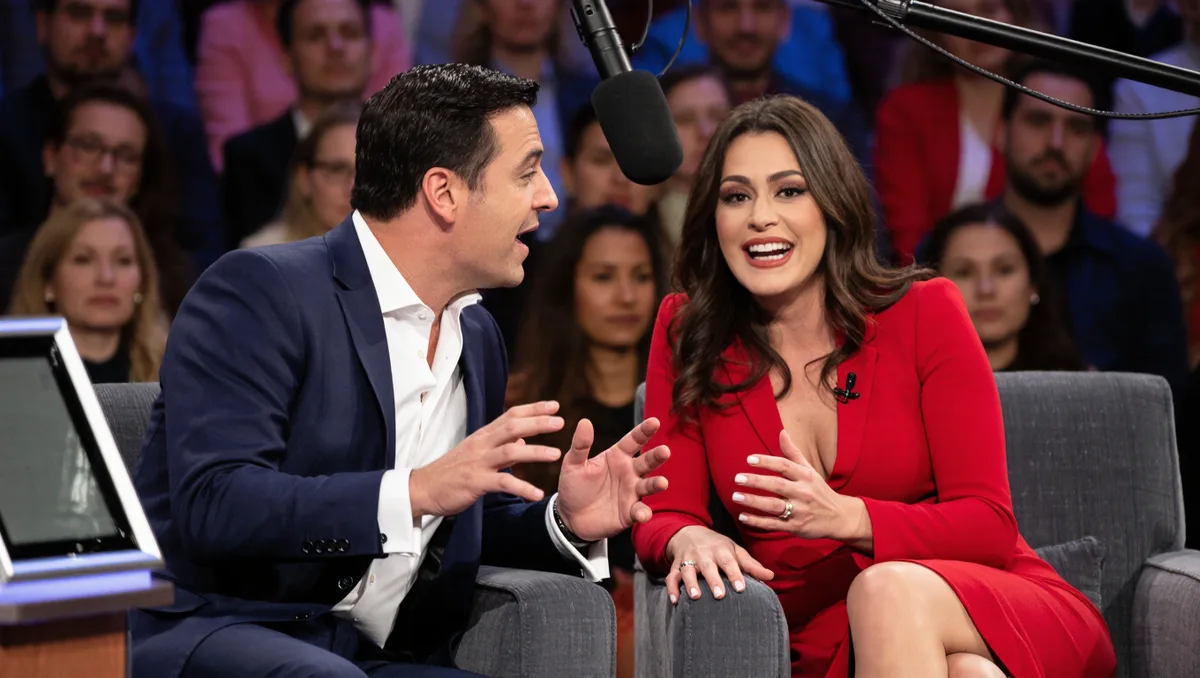
The public factual blunder is its own television genre — and the interesting question is not why celebrities stumble, but why we keep the clips.

Parasocial bonds and gossip's old job as social currency explain a lot about the celebrity beat.
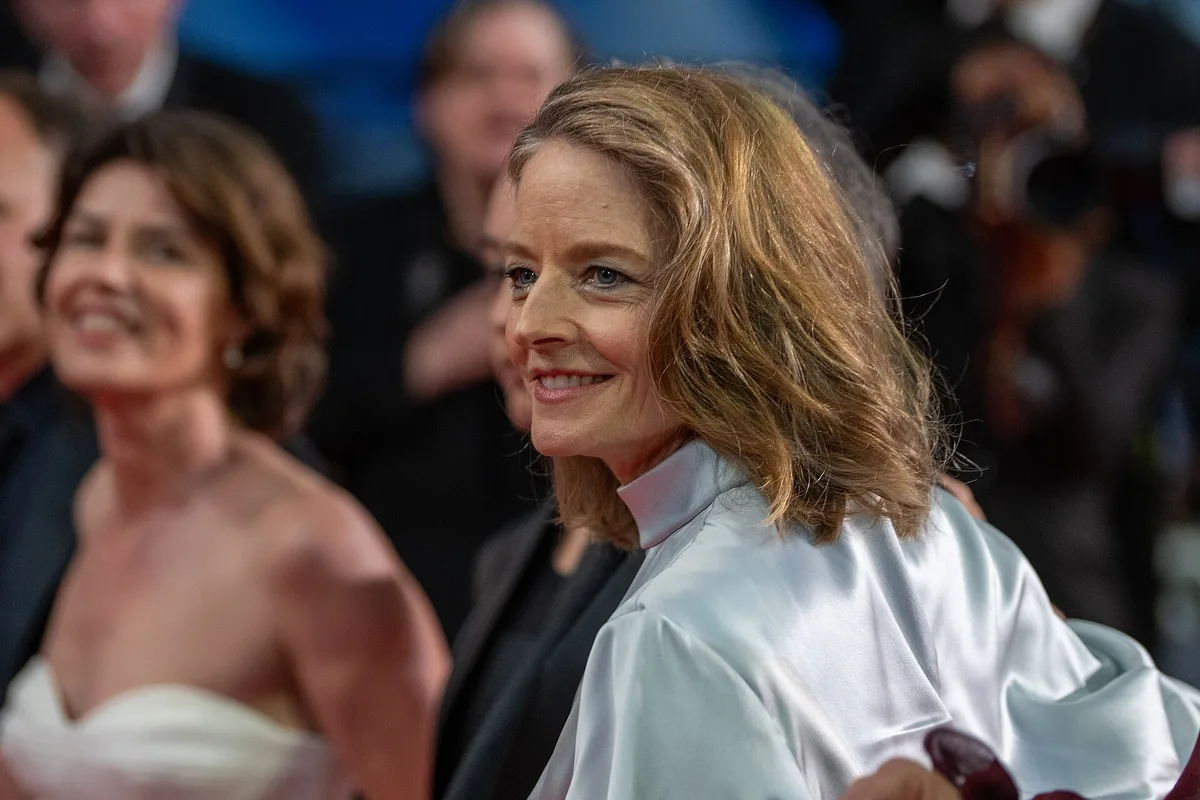
Every talk-show chat and magazine profile is negotiated months out, by people whose job is to make the exchange look spontaneous.
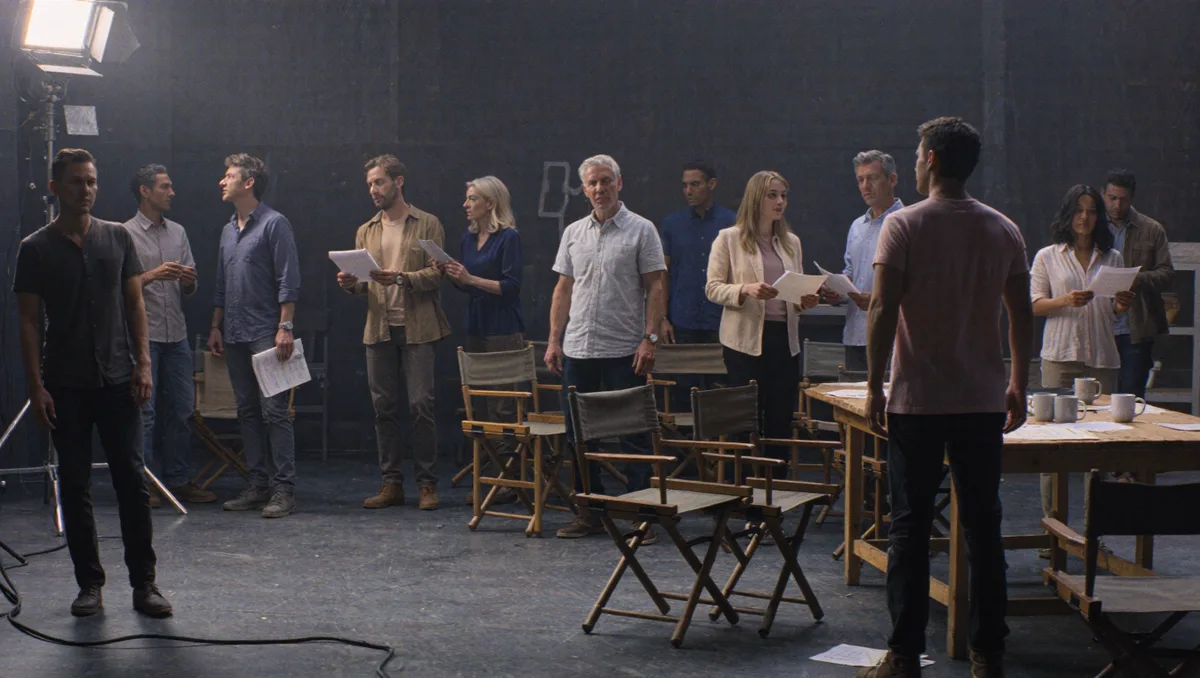
Pizza is the rare food that works on camera, in an endorsement, and in a fan's memory — and the business logic behind that explains a lot about how fame is sold.
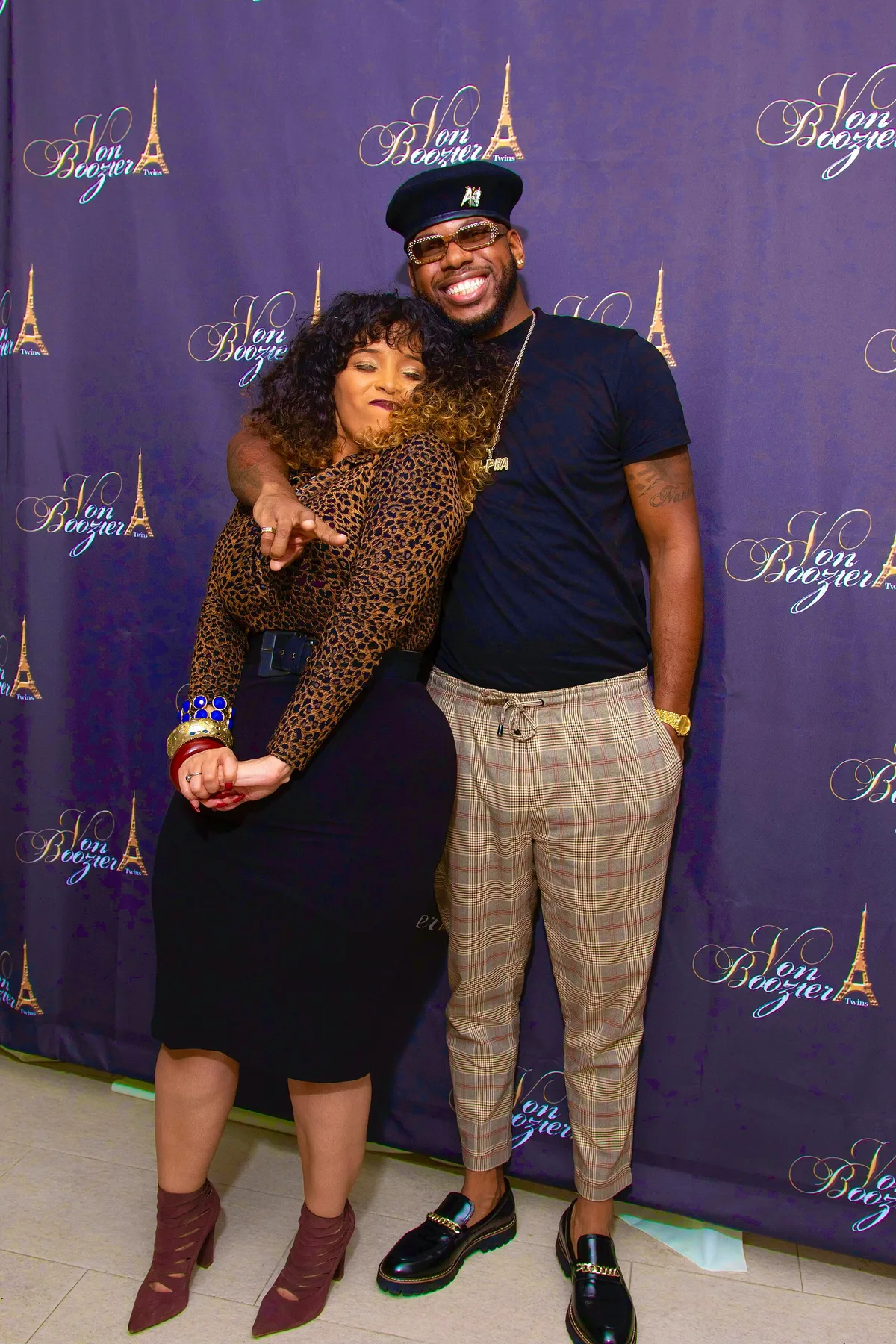
Birthday lists look like filler. They are actually one of fandom's oldest and most useful tools.
The quietest format on the internet is doing the loudest promotional work in the business.
The public factual blunder is its own television genre — and the interesting question is not why celebrities stumble, but why we keep the clips.

Good profile interviews are built, not stumbled into. Here is how question design, rapport, and close listening actually work.
The telenovela is the backbone of television in Spanish: one self-contained story, told to a planned ending in about a year, with an export history no other format matches.

Panel types, refresh rates, and sale-season timing, decoded for people who just want the picture to look good.

Season finales love to end on a cliffhanger. Here is where the trick came from, why it hooks viewers so reliably, and why it makes networks nervous.

From the first pitch document to the final color pass, the pipeline that turns a script into a series is longer and stranger than the credits suggest.
The public factual blunder is its own television genre — and the interesting question is not why celebrities stumble, but why we keep the clips.
Good profile interviews are built, not stumbled into. Here is how question design, rapport, and close listening actually work.
A small board watches the film, votes, and hands down a letter. Here is what happens before, and what happens when a studio fights back.

Studios take half of every ticket, and far more in opening week, so theaters live on the lobby. How rental fees, front-loaded grosses, and popcorn margins actually divide the money.
Parasocial bonds and gossip's old job as social currency explain a lot about the celebrity beat.

After more than two decades working with comedy and storytelling, Oleksandr Gorbatyi is applying the same understanding of narrative to creative production across film, media and fashion projects in the United States.