
Why Holiday Episodes Still Anchor Network Sitcom Schedules
Halloween, Thanksgiving, and Christmas episodes persist because they solve problems streaming cannot: they bind a show to the calendar and give audiences a reason to watch on the night.
Television follows scripted series across their runs, with episode-level attention to structure, pacing, performance and the decisions holding a season together. Coverage spans network drama, streaming originals, limited series and imports. Suited to viewers who watch deliberately and want writing that keeps pace with a show as it airs.
Scripted series tracked across a season, with episode-level notes on structure, performance and the choices that make a run cohere or fall apart.
Halloween, Thanksgiving, and Christmas episodes persist because they solve problems streaming cannot: they bind a show to the calendar and give audiences a reason to watch on the night.

What began as a ninety-second memory jog for weekly viewers has become a compressed, spoiler-aware art — one that binge viewing nearly killed and then reinvented.
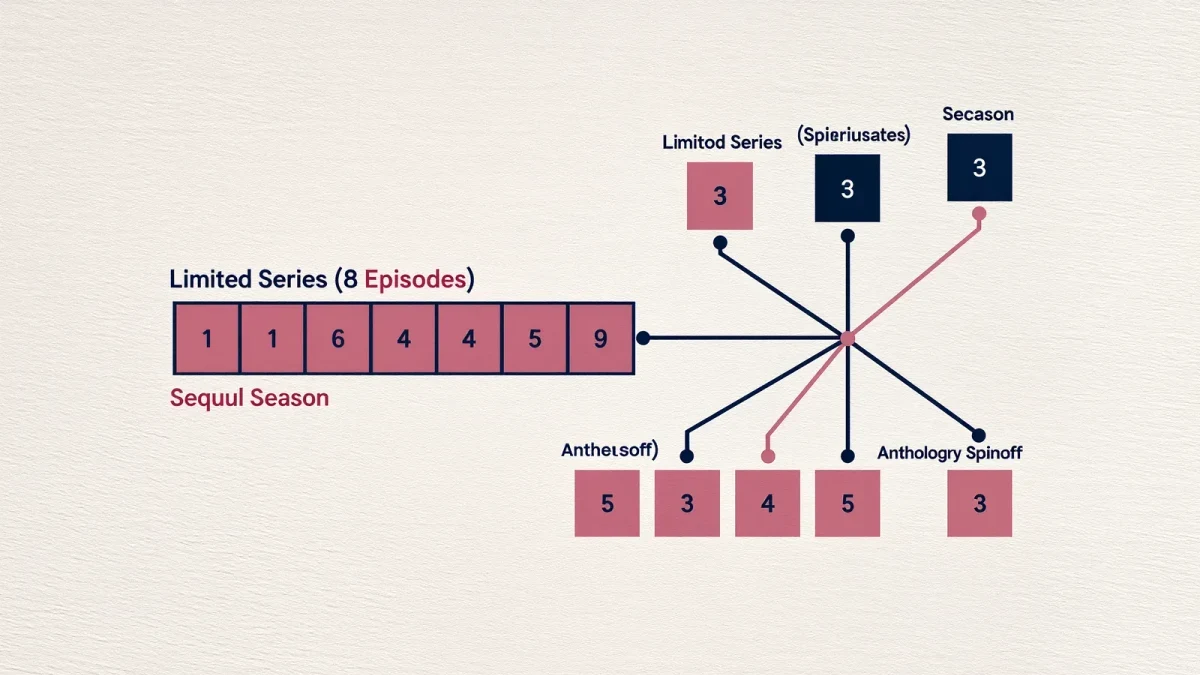
It gives streamers prestige, stars a manageable commitment, and audiences a guaranteed ending — which is why the format keeps getting bent and quietly broken.
Once the industry's second chance — for failed shows' slots, for breakout hits, for viewers tired of fall's leftovers — the midseason replacement is disappearing with the calendar that created it.

The 42-minute network pilot has given way to streaming opening chapters that run past the theatrical mark — a shift about control, not runtime vanity.
The phrase survives in trades headlines and writers' contracts, but the twenty-two-episode season it describes has become an endangered industrial species.